
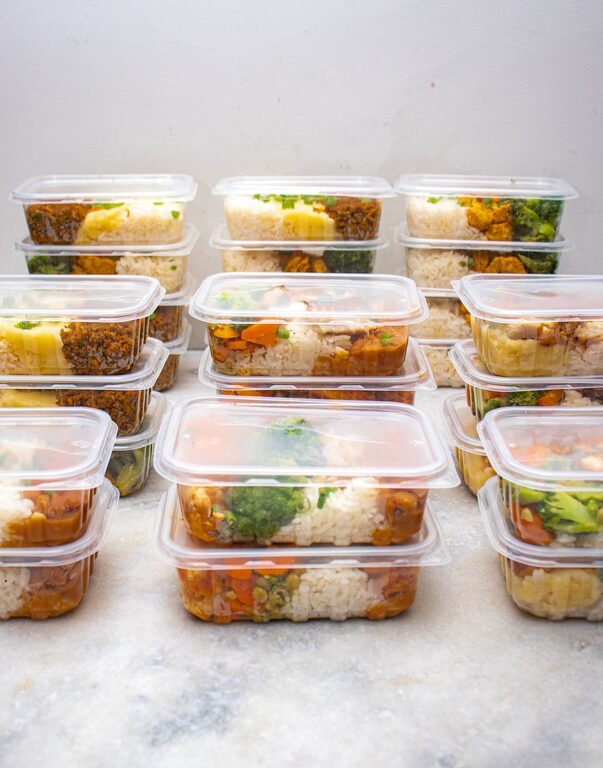
Planning balanced meals can sometimes feel like a daunting task, especially with busy schedules and countless food options. However, creating nutritious meals that satisfy your hunger and fuel your day doesn’t have to be stressful. With a little guidance and some practical tips, you can make meal planning an enjoyable and manageable part of your routine.
In this guide, we’ll explore how to plan balanced meals without stress, covering essential nutrients, simple meal ideas, and effective planning methods.
What Does a Balanced Meal Look Like?
A balanced meal includes a variety of foods that provide necessary nutrients your body needs to function well. The main components generally include:
– Proteins: Support muscle repair and keep you feeling full.
– Carbohydrates: Provide energy; focus on whole grains, fruits, and vegetables.
– Fats: Important for brain health and hormone production; choose healthy fats like nuts, seeds, and olive oil.
– Vegetables and Fruits: Packed with vitamins, minerals, and fiber.
– Hydration: Water supports every system in your body and aids digestion.
By including these elements, a meal will be satisfying, nourishing, and help maintain steady energy levels throughout the day.
Step 1: Assess Your Needs and Preferences
Before diving into meal prep, consider your:
– Daily calorie and nutrient needs: These vary based on age, activity level, and health.
– Time availability: How much time do you realistically have for cooking?
– Food preferences and dietary restrictions: Choose foods you enjoy and that work well for your lifestyle.
– Kitchen equipment and storage: Knowing what’s available helps you plan more efficiently.
Understanding these factors will help you create meal plans tailored to your unique situation.
Step 2: Keep It Simple with Key Ingredients
Focusing on a handful of versatile ingredients can simplify meal planning. For example:
– Proteins: Chicken breast, beans, tofu, fish, eggs
– Carbohydrates: Brown rice, quinoa, whole wheat bread, sweet potatoes
– Vegetables: Spinach, bell peppers, carrots, broccoli
– Fruits: Apples, bananas, berries, oranges
– Healthy fats: Avocados, nuts, olive oil
Having these staples on hand means you can mix and match to create a variety of meals without extra stress.
Step 3: Use the Plate Method for Balanced Portions
The plate method is a straightforward way to build a balanced meal without counting calories:
- **Half your plate with vegetables and fruits:** These should be the biggest portion.
- **One-quarter with lean protein:** Like chicken, fish, beans, or tofu.
- **One-quarter with whole grains or starchy vegetables:** Such as brown rice, quinoa, or sweet potatoes.
- **Add a small amount of healthy fat:** Like a drizzle of olive oil or a few nuts.
This visual approach makes meal building quick and intuitive.
Step 4: Plan Your Meals Ahead of Time
Meal planning can save time, reduce stress, and help you stick to healthy eating goals. Here’s how to start:
– Choose a planning day: Pick a day each week to plan your meals and grocery list.
– Batch cooking: Prepare larger portions of staples like grains and proteins to use throughout the week.
– Use leftovers creatively: Turn last night’s dinner into today’s lunch or mix it with fresh veggies.
– Keep a list of go-to recipes: Having favorite meals on hand cuts down on decision fatigue.
Planning ahead reduces last-minute scrambling and food waste.
Step 5: Make Meal Prep Enjoyable and Efficient
Meal prep doesn’t have to be a chore. Try these tips to make it easier:
– Set aside time: Even 30 minutes a few times a week can make a big difference.
– Get organized: Use containers that suit your meals and label them if needed.
– Include family or friends: Cooking together can be fun and faster.
– Listen to music or podcasts: This can make the time more enjoyable.
Finding joy in the process helps build lasting habits.
Step 6: Stay Flexible and Listen to Your Body
Balanced eating is about progress, not perfection. It’s OK to:
– Adjust portion sizes according to your hunger and activity level.
– Enjoy occasional treats without guilt.
– Experiment with new ingredients and recipes.
– Modify your plans when life gets busy or unexpected events happen.
Flexibility helps you maintain a healthy relationship with food long-term.
Sample Balanced Meal Ideas
Here are a few easy meals using the plate method:
– Grilled chicken breast, quinoa, steamed broccoli, and a side salad with olive oil dressing
– Black bean and veggie stir-fry with brown rice topped with avocado slices
– Omelet with spinach, tomatoes, and whole wheat toast with a piece of fruit
– Baked salmon, roasted sweet potatoes, and sautéed green beans
– Chickpea salad with mixed greens, cucumbers, cherry tomatoes, and a lemon-tahini dressing
These meals can be adjusted to your taste and are simple to prepare.
Final Thoughts
Planning balanced meals without stress is entirely possible with the right approach. By knowing your needs, simplifying ingredient choices, using easy portion guidelines, and preparing ahead, you can enjoy nourishing meals that support your health and lifestyle. Remember to stay flexible and kind to yourself as you build these habits. Healthy eating is a journey, not a race!
